Everything that you must know as a resident of Florida to move long-distance with comfort by Alma Moving
Read More
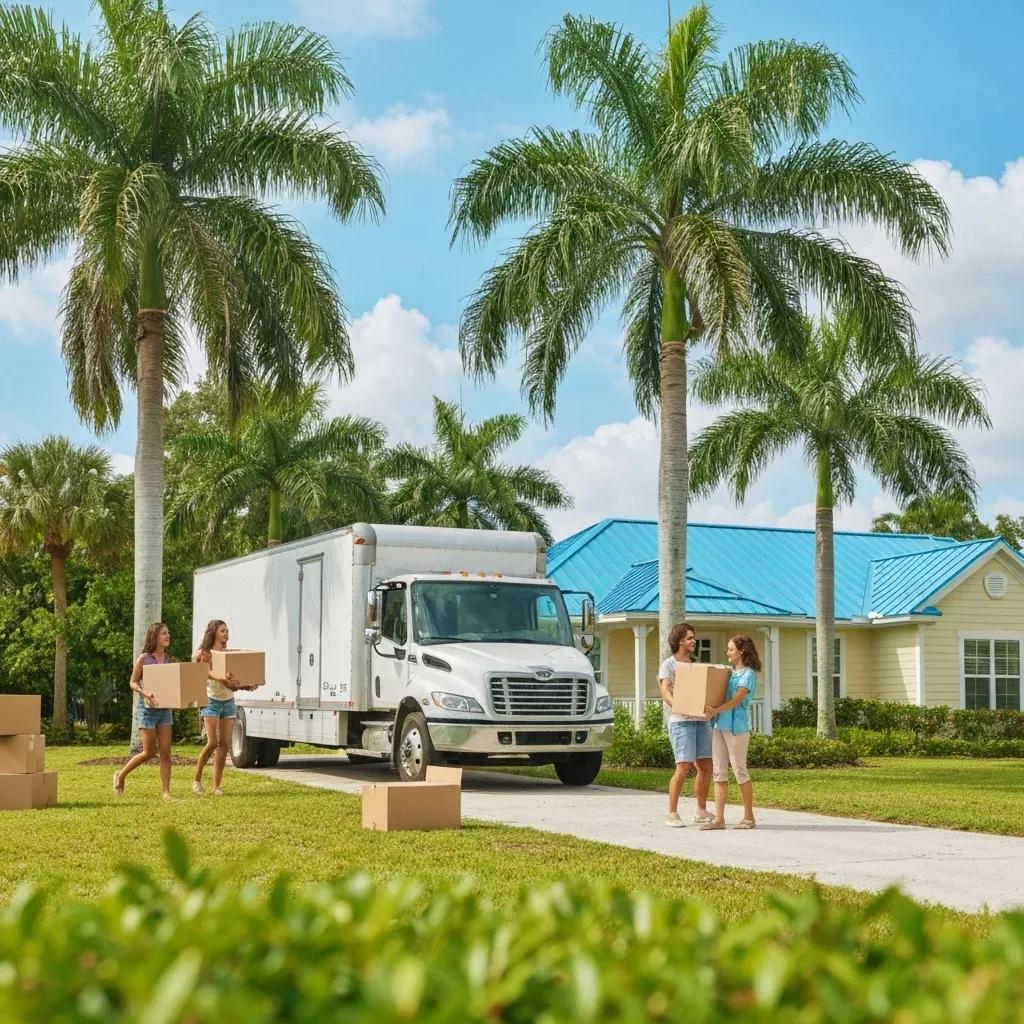
Embarking on a move to Florida means embracing the allure of sunshine while navigating the practicalities of a well-planned relocation. From understanding local rules and preparing for hurricane season to choosing your ideal spot and getting clear pricing, this guide is packed with actionable advice, legal insights, city comparisons, service reviews, and what to do after you arrive. We’ll walk you through creating your Florida-specific moving checklist, mastering state moving laws, budgeting like a pro, picking the best cities, finding top-notch movers, getting your home and family (including your furry friends!) ready for the big move, and understanding the latest industry stats for 2025. With expert tips and a clear look at how Alma Moving’s licensed pros can support you every step of the way, you’ll be ready to move with confidence, ease, and total peace of mind.
Planning your move to the Sunshine State involves juggling budgets, rules, schedules, and weather considerations to make sure everything goes smoothly. You’ll need to create a personalized checklist, get familiar with Florida’s unique regulations, arrange for your pets, book reliable movers, and keep hurricane season in mind. Here’s a step-by-step plan to help you organize your move and settle in without a hitch.
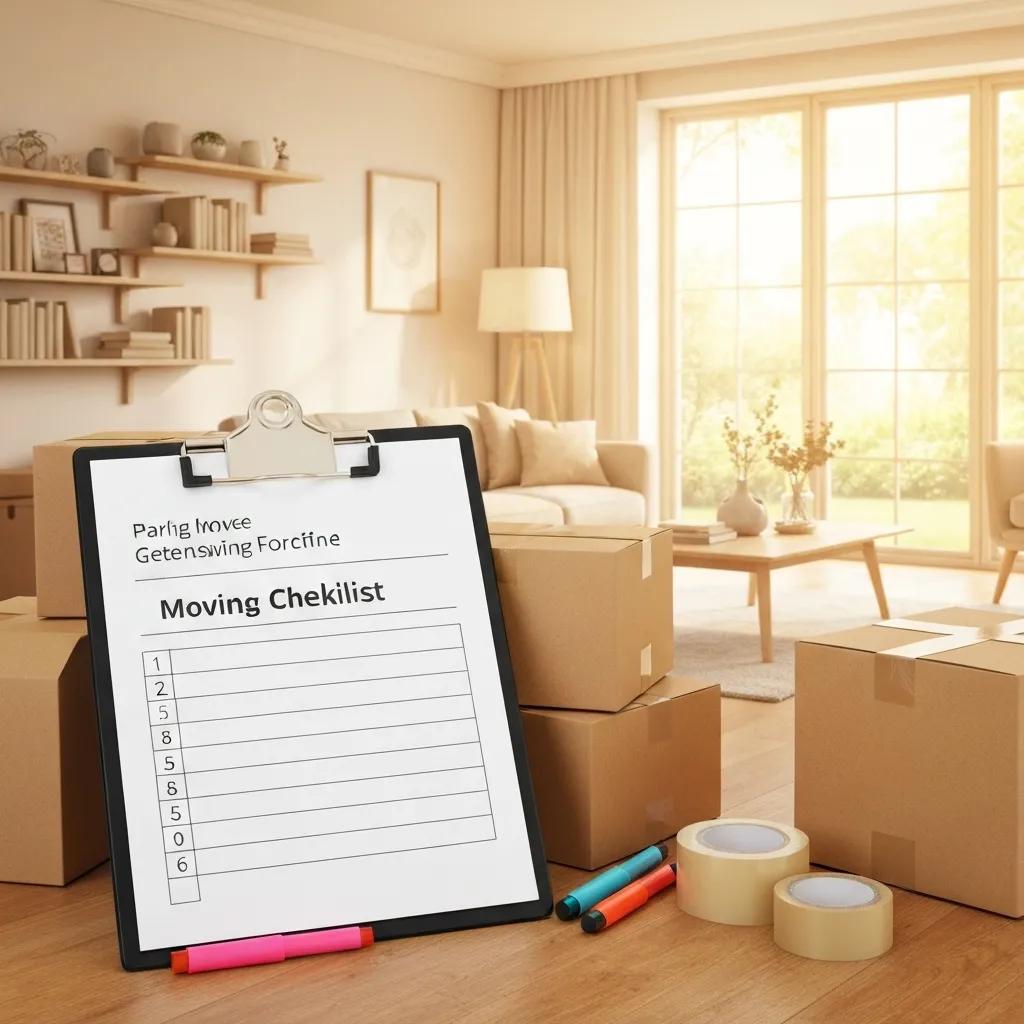
A good checklist keeps your moving tasks organized by when they need to be done and how important they are, cutting down on forgotten items and last-minute panic. Start by jotting down utilities to switch over, schools or workplaces to inform, and any services you need to contact. Follow these organized steps:
This structured approach ensures you tackle the most critical tasks first and stay focused on what matters most, leading you smoothly into understanding legal requirements and preparing for the climate.
When moving within Florida, you’ll need to comply with the Florida Department of Agriculture and Consumer Services (FDACS), which oversees licensing and consumer protection for intrastate movers. If you’re moving from another state, the Federal Motor Carrier Safety Administration (FMCSA) sets the rules, requiring proper insurance, USDOT registration, and clear documentation for your shipment. Knowing these regulations can help you avoid delays, fines, or unexpected losses:
Understanding these legal guidelines helps protect your move and ensures your service providers are accountable, setting the stage for smooth pet transport and hurricane season preparations.
For moves within Florida, the Florida Department of Agriculture and Consumer Services (FDACS) regulates operations under the Household Moving Services Act, requiring businesses to register and carry specific insurance. For moves between states, the Federal Motor Carrier Safety Administration (FMCSA) mandates USDOT registration, detailed estimates, and consumer protections to prevent scams.
This research confirms the governing bodies and essential requirements for both in-state and out-of-state moving companies in Florida, directly supporting the article's section on Florida moving laws and regulations.
Moving your pets safely involves getting vet clearances, using secure carriers, and helping them adjust. Florida requires proof of rabies vaccination, and some counties may need additional shots or health certificates. Here’s how to get ready:
This preparation helps reduce stress for your animals and ensures you meet state requirements, leading nicely into considerations about the climate.

Florida’s hurricane season, running from June to November, can impact moving schedules, property safety, and travel conditions. Be prepared for potential delays, look into storm-resistant storage options, and include emergency supplies in your moving plan. Key steps include:
Being proactive about hurricane season helps protect your belongings and allows for quick adjustments, naturally leading into the next topics of cost estimation and choosing services.
Figuring out moving costs means looking at how far you’re going, how much stuff you have, the services you choose, and when you’re moving. Moving to Florida can cost anywhere from a few hundred dollars for a small local move to several thousand for a cross-country, full-service relocation. Here’s a breakdown of the main cost factors and some typical prices to help you budget accurately.
The price of your move can change based on several factors, including:
Understanding these elements helps you customize your services and manage your budget effectively, leading into a comparison of local versus long-distance moves.
The scope of your move dictates how you’ll be charged: local moves are usually priced by the hour, while long-distance moves are calculated based on weight and distance. The table below shows typical pricing ranges:
Local moves offer flexibility for last-minute adjustments, while long-distance moves often come with fixed estimates and additional insurance options. Knowing these differences will help you when getting quotes.
Extra services can add convenience and protection. Packing, debris removal, storage, and handling special items usually come with additional fees. Here are some common service costs:
These services can significantly reduce moving stress and protect your valuables, making it easier to get comprehensive quotes from Florida movers.
To get a reliable estimate, clear communication and itemized proposals are key. Follow these steps:
Alma Moving excels at providing clear, written quotes that detail every cost, helping you budget with confidence and avoid unexpected charges.
Your choice of destination impacts your lifestyle, cost of living, and access to amenities. Florida’s major metropolitan areas each offer unique benefits—from the bustling energy of Miami to the relaxed pace of Sarasota. The following profiles and comparisons highlight key features to help you decide.
Miami offers a dynamic mix of culture, international business opportunities, and a beautiful coastal climate. Residents enjoy:
Miami’s energetic atmosphere and strong infrastructure are ideal for both families and professionals looking for an exciting urban experience.
Orlando’s economy is booming, driven by tourism, healthcare, and technology. Key advantages include:
These factors make Orlando an attractive option for those seeking career growth and a comfortable suburban lifestyle.
Living in Florida’s West Coast cities offers a relaxed coastal vibe, more affordable housing, and expanding job markets:
These cities provide a range of climates and community sizes, appealing to both retirees and young families.
When you compare housing, utilities, and everyday expenses, you’ll find significant differences:
This comparison helps clarify regional affordability and quality-of-life factors to guide your relocation decision.
Choosing a professional mover means ensuring reliability, legal compliance, and the safety of your belongings. Carefully review credentials, customer feedback, and service options before signing any agreement.
A trustworthy mover will have:
These standards ensure legal compliance and consistent service quality throughout your move.
Customer feedback on platforms like Google, Yelp, and the Better Business Bureau (BBB) offers valuable insights into a mover’s reliability, punctuality, and communication. High overall ratings usually signal consistent customer satisfaction. Look for detailed reviews that mention packing care, how damages were handled, and the professionalism of the crew. Strong positive feedback often means a lower risk of problems or delays.
The types of services vary in scope and the regulations that apply:
Understanding these differences helps you find the right service for your needs and avoid mismatched agreements.
Alma Moving provides comprehensive relocation services throughout Florida, handling both licensed intrastate moves and coordinating interstate transitions. Our clients benefit from:
Partnering with Alma Moving means greater reliability, less stress, and a smooth transition to your new Florida home.
Once you’re settled, focus on setting up essential services, adapting to the climate, and getting to know the local housing market to fully become part of your new community.
Connecting electricity, water, internet, and trash services typically involves these steps:
Setting up services promptly ensures you have everything you need from day one and can enjoy your new home without interruption, paving the way for hurricane preparedness.
Building resilience against storms involves several key actions:
These measures help protect your property and family, allowing you to focus on settling into your community and exploring housing options.
Florida’s real estate market varies significantly by region, with trends influenced by tourism, job growth, and tax policies. To find the right home:
An informed approach will help you find a home that fits your budget and lifestyle.
Staying up-to-date on migration patterns and industry changes can refine your relocation strategy and timing.
Florida’s population boom is driven by its lack of state income tax, pleasant climate, and expanding job markets in healthcare, technology, and hospitality. Significant inbound migration led to a net gain of over 350,000 residents in 2022, highlighting the state’s broad appeal.
For the first time since 1957, Florida became the nation's fastest-growing state in 2022, with its population increasing by 1.9% to over 22.2 million residents between 2021 and 2022. The main reasons for this substantial influx of new residents include the absence of state income tax, a favorable climate, and growing job opportunities in sectors like healthcare, technology, and tourism.
This citation provides verified statistics on Florida's population growth and the key factors attracting new residents, directly supporting the article's claims about Florida being a fast-growing state and the motivations behind relocation.
The primary drivers include:
Understanding these motivations can help you time your move and choose the right neighborhood.
The largest numbers of people moving to Florida come from New York, California, and New Jersey. Many movers from colder climates are drawn to Florida’s lower tax rates and year-round outdoor activities, influencing peak moving seasons and demand for services within the state.
In 2025, Florida’s moving sector is estimated to be worth around $1.2 billion, with 879 businesses employing over 5,500 people. Approximately 70 percent of moves happen within the state, while 30 percent are long-distance or interstate relocations. Packing services remain the most popular add-on, emphasizing the need for comprehensive moving solutions.
The Moving Services industry in Florida is projected to reach a market size of $1.2 billion in 2025. This sector includes 879 businesses and employs over 5,500 individuals, showing consistent growth over recent years.
This research directly verifies the specific 2025 industry statistics mentioned in the article, including market size, number of businesses, and employees within Florida's moving sector.
Even seasoned movers often have questions about lifestyle, costs, and logistics. Here are clear, concise answers to guide your decisions without unnecessary complexity.
Before you move, research the cost of living in different regions, school quality, local regulations, transportation options, and potential hurricane risks. Planning ahead ensures you meet requirements, budget appropriately, and align with community priorities.
Potential drawbacks include higher homeowners’ insurance premiums, intense summer heat and humidity, and the risks associated with hurricane season. Being aware of these challenges helps you choose suitable home features and insurance coverage.
Florida’s cost of living varies significantly: major coastal cities like Miami tend to have higher housing costs, while inland or northern areas offer more affordable options. While the absence of state income tax helps, property and flood insurance premiums can still impact your budget.
Look for movers licensed by FDACS or FMCSA that have excellent customer reviews, transparent pricing, and a full range of services. Get virtual or in-person estimates, review insurance options, and confirm all details in a binding agreement before booking.
Arrange flexible scheduling with your movers, pack essential documents in waterproof containers, keep emergency supplies ready, and secure temporary storage if needed. Planning around storm forecasts can minimize disruptions and protect your belongings.
Moving to Florida involves understanding state-specific rules, cost factors, destination characteristics, and post-move tasks. By following this comprehensive guide—creating a detailed checklist, getting transparent quotes, choosing the best cities, working with a licensed mover like Alma Moving, and preparing for the climate and utilities—you can transition smoothly into your new Sunshine State life. With current industry insights and smart planning, your Florida relocation can be an exciting new beginning, not a logistical headache. Safe travels and welcome home!
Where are you moving to?
Here at Alma Moving, we've simplified the quote request process to offer you a hassle-free experience. We aim to deliver a quick and accurate quote that respects both your time and your specific moving needs.
Copyright © 2024. All right reserved.